
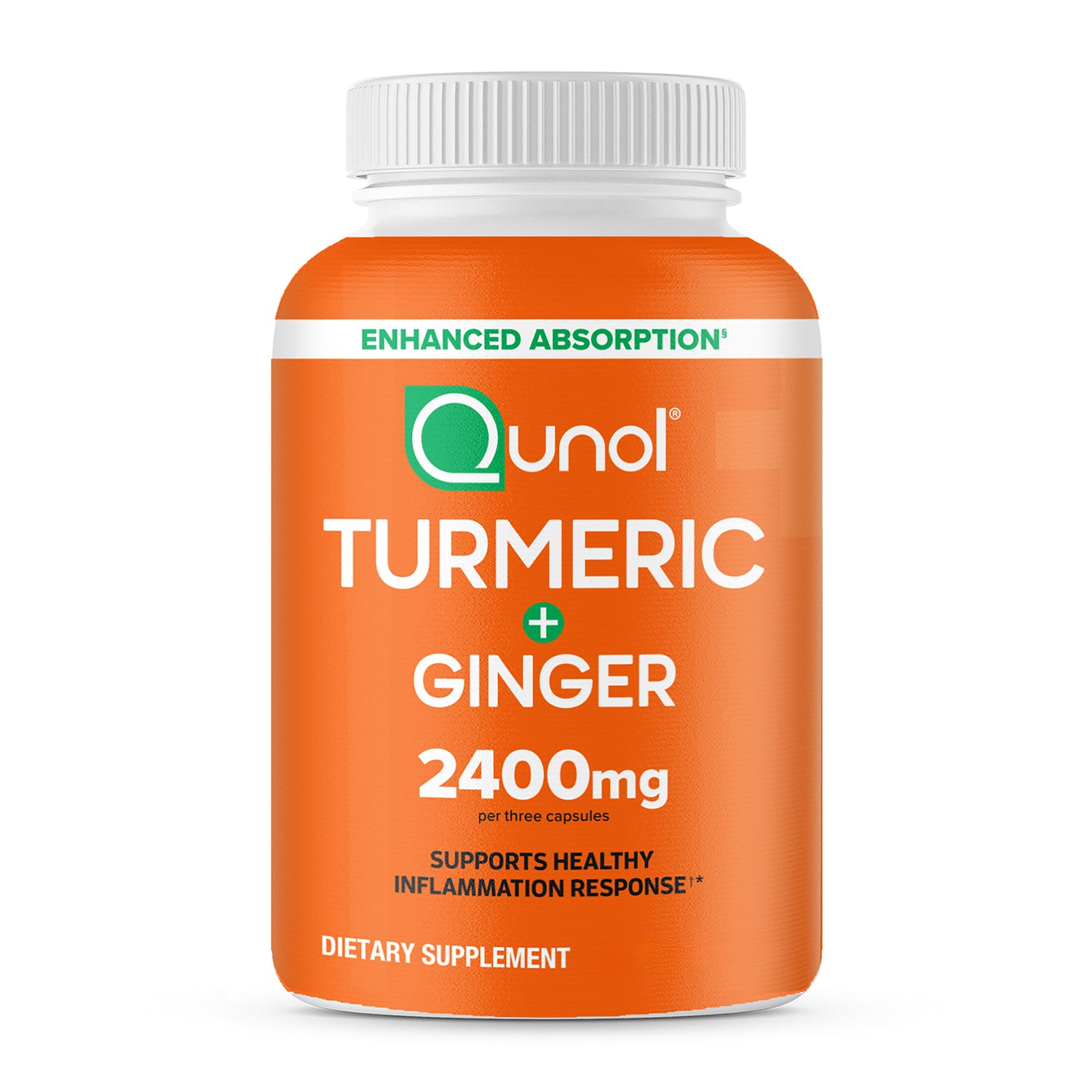

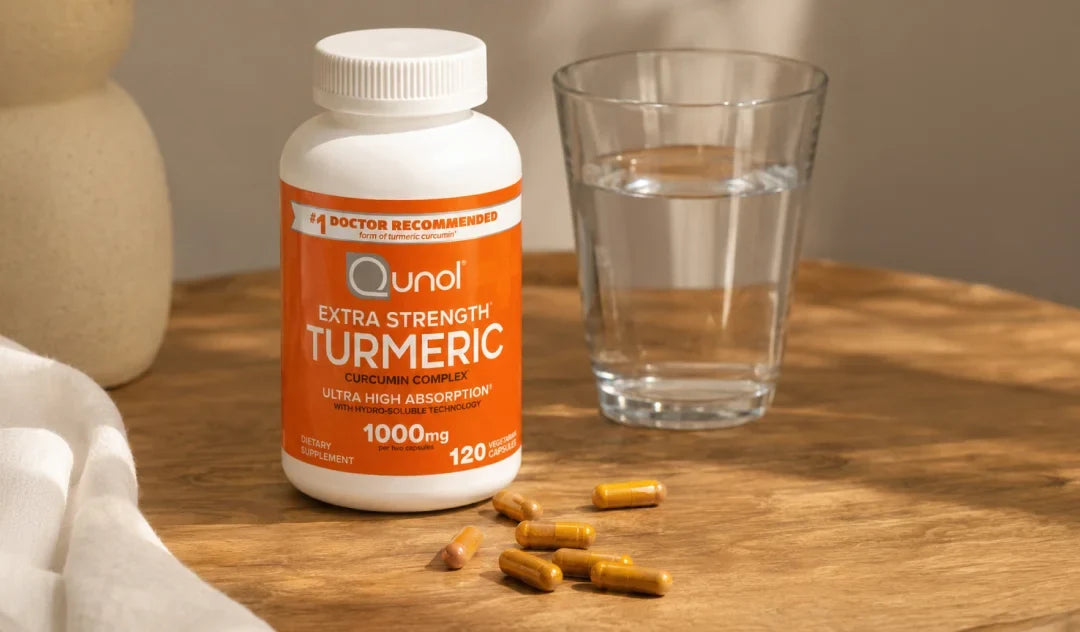
Turmeric is one of the most researched botanical ingredients used in dietary supplements today. Scientists have been studying turmeric and its natural compounds for decades, and interest continues to grow as researchers learn more about how this ancient plant works within the body.
Today, turmeric research continues to explore its antioxidant properties, support for joint health, healthy inflammation response, and enhanced absorption. Researchers have also spent years exploring new ways to help the body absorb turmeric's key compounds more effectively.
If you've ever wondered why turmeric supplements are so popular or whether turmeric is scientifically studied, the answer is simple: few botanical ingredients have attracted as much scientific attention as turmeric.
Key Takeaways: Turmeric and Curcumin Research
Explore what decades of scientific research reveal about turmeric, curcumin, absorption, and the evolution of modern turmeric supplements.
- Decades of Turmeric Research: Scientists have studied turmeric and its natural compounds for decades.
- Turmeric vs. Curcumin: Curcumin is one of three primary curcuminoids found naturally in turmeric.
- Turmeric Health Benefits Research: Studies explore antioxidant activity, joint health, and healthy inflammatory responses.
- Curcumin Absorption & Bioavailability: Researchers continue to investigate formulations designed to improve curcumin absorption.
- Choosing Turmeric Supplements: Research highlights the importance of curcumin content, formulation quality, and bioavailability.
A Brief History of Turmeric
Turmeric has an incredible history. It comes from an underground stem called a rhizome, which is often referred to as turmeric root. It is a part of the Curcuma longa plant, a member of the ginger family. Native to India and Southeast Asia, turmeric has been used for thousands of years as both a spice and a traditional herbal ingredient.
Historically, people valued turmeric for its rich golden-yellow color. It was used to flavor foods, color fabrics, and serve as an important part of cultural and wellness traditions. The rhizome was boiled, dried, and ground into the familiar bright yellow powder that many people keep in their kitchens today.
Turmeric was valued in Asian cultures for generations before it attracted scientific attention. As demand for natural wellness solutions increased, researchers began exploring the plant's key compounds and the reasons behind its enduring popularity.
What Is Turmeric and Why Has It Attracted Scientific Interest?
Turmeric is more than a culinary spice. Its rhizome contains hundreds of naturally occurring compounds, including polyphenols—plant nutrients known for their antioxidant properties.
Scientists are often interested in botanical ingredients that have a long history of use and contain biologically active compounds. Turmeric checks both boxes. Its centuries-long use and unique chemical composition encouraged researchers to study it more closely.
Over time, scientists discovered that one group of compounds within turmeric appeared especially interesting. These compounds, known collectively as curcuminoids, became the focus of much of the modern turmeric science that continues today.
Today, turmeric is one of the most widely studied medicinal plants in the world, with numerous clinical studies and scientific reviews examining the curcuminoids contained within.
Understanding Curcumin and Its Role in Turmeric Research
When people talk about turmeric studies, they are often really talking about curcumin. Although closely related, curcumin and turmeric are not the same thing.
Curcumin is one of three primary curcuminoids found naturally in turmeric. The other two are demethoxycurcumin and bisdemethoxycurcumin. Among these compounds, curcumin has received the greatest scientific attention because of its strong antioxidant activity and its role in supporting a healthy inflammatory response.
Researchers have spent decades studying curcumin for its antioxidant properties and potential role in supporting overall health. As scientific tools became more advanced, scientists gained a better understanding of how curcumin behaves in the body and why it might support overall wellness.
This growing body of curcumin research is one of the primary reasons turmeric has become a popular ingredient in modern dietary supplements.
Why Researchers Continue to Study Turmeric Today
Many botanical ingredients experience a brief period of scientific interest. Turmeric is different. Research continues today because scientists still see opportunities to learn more.
One reason is turmeric's complexity. The turmeric rhizome contains many naturally occurring compounds that may work together in ways researchers are still exploring.
Another reason is the growing interest in healthy aging and antioxidant support. Curcumin's antioxidant properties have made it an ongoing topic of study among scientists who want to understand how plant compounds interact with the body's natural defense systems.
Researchers are also interested in how turmeric may support everyday wellness goals, including joint health and healthy inflammatory responses associated with physical activity. These areas continue to generate new clinical studies and scientific reviews.
How Turmeric Supplement Formulations Have Evolved Over Time
The first turmeric supplements were relatively simple. Many contained ground turmeric powder similar to the spice used in cooking
As turmeric science expanded, researchers learned that food-based turmeric contains relatively low concentrations of curcumin. Scientists also discovered that curcumin is naturally difficult for the body to absorb efficiently.
This led supplement developers to create turmeric extracts with higher concentrations of curcuminoids. This helps manufacturers provide the same amount of curcumin in every serving.
Researchers also began developing specialized delivery systems designed to improve curcumin bioavailability. New formulations included technologies that combined curcumin with ingredients or delivery methods intended to help more of the compound become available to the body.
Today, many modern turmeric supplements focus not only on how much curcumin they contain but also on how efficiently that curcumin can be used.
The Importance of Absorption in Modern Turmeric Supplements
One of the biggest discoveries in turmeric research has been the importance of absorption.

Curcumin is naturally fat-soluble, meaning it dissolves more easily in fat than in water. Because the digestive system contains a large amount of water, curcumin can have difficulty dissolving and being absorbed. Researchers have also found that the body quickly metabolizes and eliminates curcumin after absorption.
This is where the concept of bioavailability becomes important.
Bioavailability refers to how much of a nutrient is absorbed and becomes available for the body to use. Two turmeric supplements may contain the same amount of curcumin on the label, yet one formulation may deliver more usable curcumin because it has enhanced absorption.
Because of these findings, scientists have spent years developing and evaluating improved curcumin formulations. Clinical studies continue to compare different delivery technologies and absorption strategies to determine which approaches may increase bioavailability.
What Consumers Should Look for When Choosing a Turmeric Supplement
With so many turmeric supplements available, choosing the right product can feel overwhelming. Understanding a few key points can help.
1. Look Beyond the Amount of Turmeric
A higher number on the label does not always mean better results. The quality of the formulation and its ability to support absorption can be just as important as the amount of turmeric it contains.
2. Pay Attention to Curcumin Content
Many research studies focus on curcumin and other curcuminoids. Products that provide standardized amounts of these compounds may offer greater consistency.
3. Consider Bioavailability
Modern turmeric science has shown that absorption matters. Look for supplements that clearly explain their approach to improving curcumin bioavailability.
4. Choose Reputable Brands
Trustworthy supplement companies invest in quality testing, ingredient sourcing, and science-backed formulations. They also provide educational information about their products and ingredient research.
5. Look for Transparency
A good supplement label should clearly identify the turmeric ingredients used and explain what makes the formulation unique.
The Future of Turmeric Science
Turmeric research shows no signs of slowing down. Scientists continue to explore how curcumin and other turmeric compounds interact with the body, while supplement developers work to create increasingly advanced formulations.
What began thousands of years ago as a simple golden spice has become one of the most extensively studied botanical ingredients in nutrition science. From understanding curcumin's role to improving absorption and bioavailability, decades of research have helped shape the turmeric supplements available today.
For consumers wondering whether turmeric is scientifically studied, the answer is clear. The ongoing interest in turmeric science reflects a long history of research, innovation, and discovery. As researchers continue to learn more, turmeric is likely to remain one of the most important and widely researched botanical ingredients in the supplement industry for years to come.
References:
Scientific Review: Turmeric and Curcumin: Health Effects and Safety (2020)
Scientific Review: Turmeric and Curcumin: From Traditional to Modern Medicine (2021)
Scientific Review: Curcumin Bioavailability and Enhanced Absorption (2020)
Want to learn more about turmeric?
We have included links to clinical studies and reviews on the functions of turmeric in the body and the potential benefits of turmeric supplements.
Explore the clinical trials and scientific reviews below to learn more about curcumin research, potential turmeric benefits, and absorption.
Clinical Trial: Curcumin's Effects on Exercise-Induced Muscle Soreness (2019)
Scientific Review: How Curcumin Affects Gene Expression (2013)
Human Clinical Study: Piperine's Effects on Curcumin Absorption (1998)
Clinical Trial: Comparing Curcumin Formulations for Better Absorption (2018)
*These statements have not been evaluated by the Food and Drug Administration. This product is not intended to diagnose, treat, cure, or prevent any disease.

Leave a comment
This site is protected by hCaptcha and the hCaptcha Privacy Policy and Terms of Service apply.