


The Hearty Blog
inflammation
Curcumin vs Turmeric - What’s the Difference?
Turmeric vs. Curcumin: What’s the Difference?
What is Turmeric?
Let's break it down further. Turmeric is a root vegetable from the ginger family and the star player in curried dishes and the popular drink, Golden Milk. This flowering plant is found in areas of India and Southeast Asia, and is often included in recipes to help create a bold yellow or orange color in the dish. To obtain the Golden Spice, the root of the turmeric plant is boiled, dried, and ground to a powder. This is the turmeric you find on the spice rack in the grocery store and in some herbal supplements. Various common names for turmeric can include Indian saffron, yellow ginger, yellow root, or kacha haldi. The turmeric plant is also known by the scientific name curcuma longa, which is most likely where curcumin got its name.
What is Curcumin?
When scientists took a closer look at turmeric, they found three bioactive compounds with health-promoting properties housed within the root of the plant. Known collectively as curcuminoids, these antioxidant compounds include:
Curcumin (or diferuloylmethane)
Demethoxycurcumin
Bisdemethoxycurcumin
Curcuminoids are natural polyphenols that occur naturally in plants and contain health-promoting properties. You receive some polyphenols from fruits and vegetables, but like curcuminoids, there are multiple types that can provide various benefits.
Curcuminoids are a unique group of polyphenols found only in the turmeric plant. But between the 3 curcuminoids in turmeric, one stands out above the rest. Curcumin, or diferuloylmethane, offer the biggest health benefits.
Taken as a supplement, turmeric helps support healthy inflammation response associated with physical overexertion† and helps support joint health*.
How Can I Add Curcumin to My Diet?
Although curcumin is the main compound needed to get the health benefits, that doesn't mean you need to find a curcumin supplement. Taking a turmeric supplement with enhanced absorption is a great way to get curcumin into your body. Though many Indian foods and healthy recipes contain turmeric, there is a huge difference between eating it as a whole food and taking it as a supplement. When eating turmeric as only a spice, your intake is less than 3% curcumin.
Another difference between foods naturally containing turmeric and a turmeric supplement is the bioavailability to your body. You may have heard health-conscious friends or seen news articles stating that to get the benefit of curcumin from turmeric in your diet you need to be sure you are eating your turmeric combined with an activator, like fat or black pepper for your body to properly absorb the nutrient. This advice comes because turmeric as a spice has poor bioavailability for your body to get curcumin’s benefits from eating the spice alone. When taking a turmeric curcumin supplement, look for one with enhanced absorption which provides a higher bioavailability than the natural spice.
To best use a turmeric curcumin supplement, follow dosage directions on the bottle and consult your primary care physician with any health questions or concerns.
Are All Turmeric Curcumin Supplements the Same?
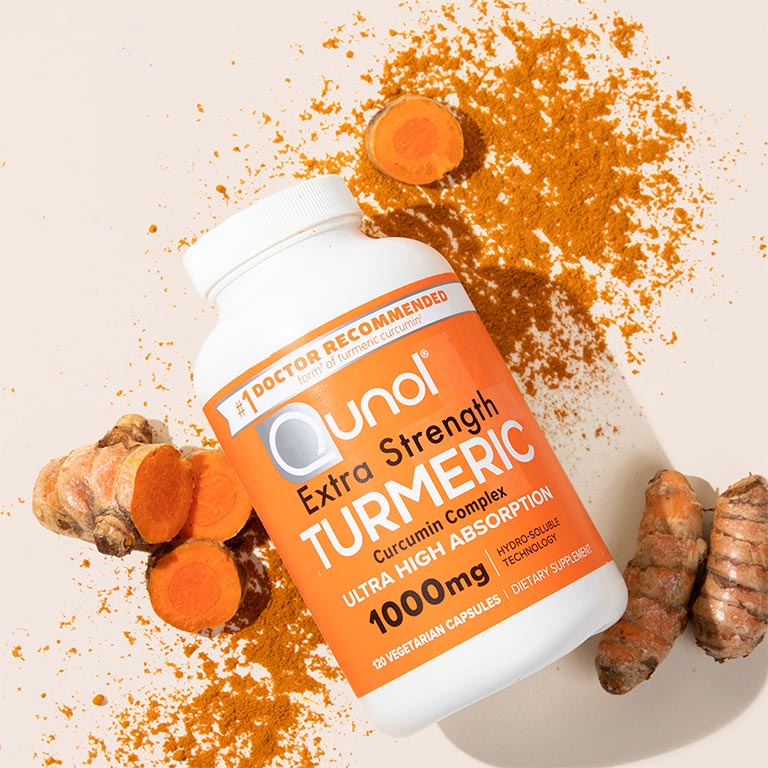
If you want to receive the full benefits of turmeric, look for a turmeric curcumin supplement like Qunol Extra Strength Curcumin Complex with water dispersion technology for enhanced bioavailability and superior absorption, even over other supplements.
†May help reduce temporary inflammation associated with physical overexertion.
This product is not intended to treat, prevent or cure inflammation associated with any disease.
*These statements have not been evaluated by the Food and Drug Administration. This product is not intended to diagnose, treat, cure, or prevent any disease.
inflammation
How to Keep Joints Healthy As You Age
Joints are responsible for keeping your body moving freely, but over the course of a lifetime, they can take a beating. That’s why it’s so important to take care of your joints as you age.
How Do Joints Function?
The purpose of joints is to hinge two or more parts of your body to enable movement, like your thigh bone to your shin bone via the knee joint. They are designed to withstand friction and pressure, while protecting the ends of your bones as you move.
Cartilage lines the ends of your bones, and together with an added layer of sticky synovial fluid for lubrication creates a capsule between your bones for extra cushioning. Ligaments hold your joints together and keep it aligned with its axis of movement. Tendons provide extra support and attach to the muscle and bones. Working in unison, the joints, bones, and muscles allow your body to move freely; therefore, the health of one will affect the other. For example, weak muscles from inactivity will lead to weak joints.
Why is it Important to Support Joint Health as we Age?
Supporting joint health is all about taking care of your body. When you’re young your joints are supple and at their peak, but if you’re constantly pounding on them or exercising with poor form, you’ll most certainly feel the effects when you’re older.
In addition, as you age, cartilage and tendons can break down and lose their elasticity, and joints can become stiff and painful due to loss of padding and lubrication.
So exercise with care and follow these healthy habits to help support the health of your joints.
Tips to Help Support Joint Health
Regular Moderate Exercise
Exercise is one of the most vital elements of keeping your joints healthy. Activity helps to lubricate the joints and increase the circulation.
Low impact exercises like swimming, cycling, and walking are the best as they place the least amount of stress on the body. However, any exercise is better than none, so choose something you enjoy as you’re more likely to stick to it.
Daily Stretching Exercises
Joints tend to stiffen up overnight due to being inactive for so long. So plan to wake up to some gentle stretching exercises to start your day and work out the stiffness in your waking muscles and joints.
Stretching is also an important component of your exercise program before and after working out. Warming up will help lubricate your joints and a cool down stretch will help in recovery, reduce risk of injury, and increase your flexibility.
Weight Management
Extra weight means extra stress on your joints, and over time this can increase wear and tear. If you’ve already committed to getting more active, you’re one step closer to losing weight. Maintaining a healthy weight is key to a high quality of life and essential to promoting joint health.
Healthy Diet
We’re always looking for ways to eat more healthy and for joint health, a diet rich in antioxidants olive oil, berries and cherries, leafy greens, fatty fish, and nuts can be beneficial.
Just as it’s important to find an activity you enjoy, so too is it vital that you find healthy foods you love to eat. Eating healthy is not a fad, it’s a commitment to living a healthy lifestyle and fueling your body with the nutrients it needs to function at optimal health.
Smoking Cessation
We all know smoking is bad for your health, but did you know it can also negatively affect your bones and joints?
Quitting smoking is one of the best things you can do to help promote healthy joints.
Smoking is a serious addiction, but so too are the health risks. If you’re having trouble breaking the habit, please see your doctor for help.
Supplements to Support Joint Health*
Another element in your plan to promote the health and longevity of your joints is a supplement called turmeric.*
Turmeric can help support joint health; however, the problem lies with absorption.* Turmeric used in cooking may pass through the digestive system too quickly to truly benefit the body. So your best bet is a turmeric supplement with enhanced absorption.
How Qunol Turmeric can help Support Joint Health?
Qunol’s Extra Strength Turmeric Curcumin Complex is designed to deliver superior absorption. It has water dispersion technology which delivers superior absorption compared to regular turmeric§ supplements. It’s a valuable addition to your joint health regimen.*
*These statements have not been evaluated by the Food and Drug Administration. This product is not intended to diagnose, treat, cure, or prevent any disease.
inflammation
What is Turmeric?
What is Turmeric?
Turmeric is a plant related to ginger that is grown throughout India, other parts of Asia, and Central America. It is sometimes called the “Golden Spice” because of its yellow, earthy color. The use of turmeric can be traced back over 5,000 years when traditional cultures utilized it as a fabric dye, seasoning spice, and an herbal remedy.
Turmeric powder is made by cleaning, boiling, and drying the root of the plant. The resulting spice powder is a common ingredient in curry powder and is still used by many cultures as an addition to foods and beverages. While the use of turmeric is popular in South Asian and Caribbean dishes, recipes featuring turmeric have become increasingly popular in the United States.
Beyond its role as a seasoning, turmeric also contains health-promoting compounds called curcuminoids which have led to its use as a dietary supplement. Turmeric helps support healthy inflammation response associated with physical overexertion† and helps support joint health*.
†May help reduce temporary inflammation associated with physical overexertion.
*These statements have not been evaluated by the Food and Drug Administration. This product is not intended to diagnose, treat, cure, or prevent any disease.
inflammation
Turmeric Research
Want to learn more about turmeric? We have included links to clinical studies and reviews on the functions of turmeric in the body and the potential benefits of turmeric supplements.
Click on the categories below to expand each section. ↓
General/Reviews:
Effective Timing of Curcumin Ingestion to Attenuate Eccentric Exercise-Induced Muscle Soreness in Men
Molecular mechanisms of curcumin action: gene expression
Dissolution/Absorption:
Influence of piperine on the pharmacokinetics of curcumin in animals and human volunteers
Analysis of different innovative formulations of curcumin for improved relative oral bioavailability in human subjects
†May help reduce temporary inflammation associated with physical overexertion. This product is not intended to treat, prevent or cure inflammation associated with any disease.
*These statements have not been evaluated by the Food and Drug Administration. This product is not intended to diagnose, treat, cure, or prevent any disease.
inflammation
Why Qunol's Turmeric Supplement is Better
Turmeric provides one of nature’s best kept secrets, curcuminoids, a group of antioxidants that may help support healthy inflammation response† due to physical overexertion.* While you can add turmeric to food in the form of a spice, taking a supplement is a better way to ensure you are able to experience the potential benefits. Read on to learn about the types of turmeric supplements and find out why our Qunol Turmeric is the better choice!
The Problem with Regular1 Turmeric
When it comes to turmeric supplements, absorption is key to seeing the potential benefits. When we take a supplement, it must travel through our stomach to our intestines where it is absorbed into the bloodstream. Curcumin can be poorly absorbed by the intestines because it tends to clump together inside the body.
Black Pepper Extract Enhances Absorption
One way to overcome the curcumin absorption issue is by adding black pepper extract. This is why you will often see black pepper as an ingredient in recipes containing turmeric. Turmeric supplements also utilize this absorption “hack” because black pepper extract helps curcumin pass through the wall of the intestines and leads to higher blood levels.2
While black pepper extract can enhance the absorption of curcumin, there is an even better option.
Water Dispersion Technology for Superior Absorption
Since turmeric’s tendency to clump together is one of the main reasons for its poor absorption, researchers figured out that breaking up these clumps can greatly improve absorption. In order to do this, scientists combined turmeric with a carbohydrate called gamma cyclodextrin.
Gamma cyclodextrin is a donut shaped molecule that surrounds and separates the turmeric. This allows it to disperse in water and increases the amount of turmeric absorbed by the body.
Why Qunol is Better
Qunol’s Extra Strength Turmeric Curcumin Complex has water dispersion technology which delivers superior absorption compared to regular1 turmeric.
References
1Regular turmeric is standardized unformulated curcumin extract.
2The Advantages Of Curcuminoids + Bioperine® Combination http://www.sabinsa.com/newsroom/articles-download/1024-sabinsa-article-12
†May help reduce temporary inflammation associated with physical overexertion. This product is not intended to treat, prevent or cure inflammation associated with any disease.
*These statements have not been evaluated by the Food and Drug Administration. This product is not intended to diagnose, treat, cure, or prevent any disease.
inflammation
Eating Turmeric vs Taking Supplements
Turmeric as a Supplement
Turmeric helps support inflammation response associated with physical overexertion†. It is a healthy addition to a diet, however there is a difference between eating the food and taking it as a supplement.
Curcumin vs Turmeric
The easiest way to know the difference between turmeric vs. curcumin is to think of turmeric as the source of curcumin. Curcumin is one of three bioactive compounds within turmeric.
What is Turmeric?
Turmeric is a plant related to ginger that is grown throughout India, other parts of Asia, and Central America. It is sometimes called the “Golden Spice” because of its yellow, earthy color. The use of turmeric can be traced back over 5,000 years when traditional cultures utilized it as a fabric dye, seasoning spice, and an herbal remedy.
Let's break it down further. Turmeric is a root vegetable from the ginger family and the star player in curried dishes and the popular drink, Golden Milk. This flowering plant is found in areas of India and Southeast Asia, and is often included in recipes to help create a bold yellow or orange color in the dish. To obtain the Golden Spice, the root of the turmeric plant is boiled, dried, and ground to a powder. This is the turmeric you find on the spice rack in the grocery store and in some herbal supplements. Various common names for turmeric can include Indian saffron, yellow ginger, yellow root, or kacha haldi. The turmeric plant is also known by the scientific name curcuma longa, which is most likely where curcumin got its name.
What is Curcumin?
When scientists took a closer look at turmeric, they found three bioactive compounds with health-promoting properties housed within the root of the plant. Known collectively as curcuminoids, these antioxidant compounds include:
Curcumin (or diferuloylmethane)
Demethoxycurcumin
Bisdemethoxycurcumin
Curcuminoids are natural polyphenols that occur naturally in plants and contain health-promoting properties. You receive some polyphenols from fruits and vegetables, but like curcuminoids, there are multiple types that can provide various benefits.
Curcuminoids are a unique group of polyphenols found only in the turmeric plant. But between the 3 curcuminoids in turmeric, one stands out above the rest. Curcumin, or diferuloylmethane, offer the biggest health benefits.
Taken as a supplement, turmeric helps support healthy inflammation response associated with physical overexertion† and helps support joint health*.
How Can I Add Curcumin to My Diet?
Although curcumin is the main compound needed to get the health benefits, that doesn't mean you need to find a curcumin supplement. Taking a turmeric supplement with enhanced absorption is a great way to get curcumin into your body. Though many Indian foods and healthy recipes contain turmeric, there is a huge difference between eating it as a whole food and taking it as a supplement. When eating turmeric as only a spice, your intake is less than 3% curcumin.
Another difference between foods naturally containing turmeric and a turmeric supplement is the bioavailability to your body. You may have heard health-conscious friends or seen news articles stating that to get the benefit of curcumin from turmeric in your diet you need to be sure you are eating your turmeric combined with an activator, like fat or black pepper for your body to properly absorb the nutrient. This advice comes because turmeric as a spice has poor bioavailability for your body to get curcumin’s benefits from eating the spice alone. When taking a turmeric curcumin supplement, look for one with enhanced absorption which provides a higher bioavailability than the natural spice.
To best use a turmeric curcumin supplement, follow dosage directions on the bottle and consult your primary care physician with any health questions or concerns.
Are All Turmeric Curcumin Supplements the Same?
If you want to receive the full benefits of turmeric, look for a turmeric curcumin supplement like Qunol Extra Strength Curcumin Complex with water dispersion technology for enhanced bioavailability and superior absorption, even over other supplements.
†May help reduce temporary inflammation associated with physical overexertion.
This product is not intended to treat, prevent or cure inflammation associated with any disease.
*These statements have not been evaluated by the Food and Drug Administration. This product is not intended to diagnose, treat, cure, or prevent any disease.
Joint Health
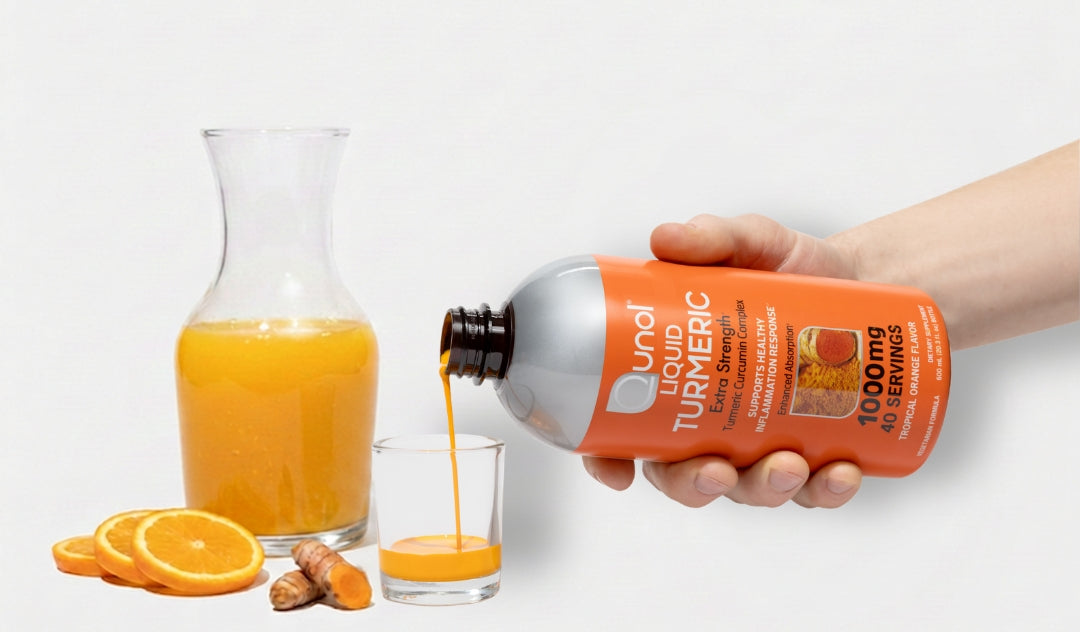
Morning Mix: Liquid Turmeric and Orange Juice
New year, new recipes. Looking to upgrade your mornings in 2025? We have you covered.. Start your day with a simple, two-ingredient recipe.
Joint Health
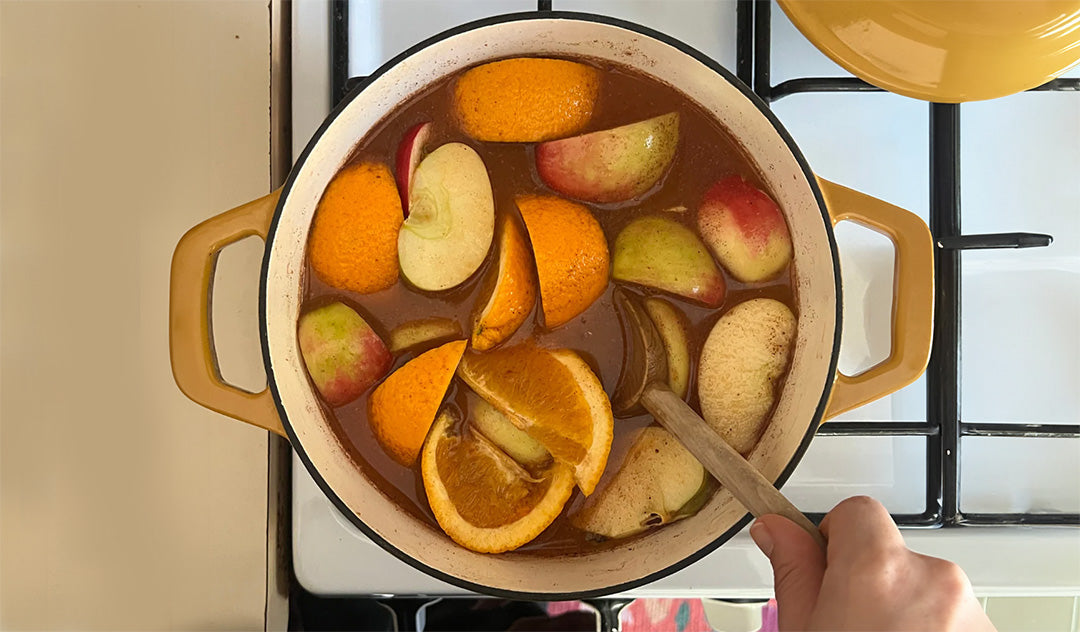
Liquid Turmeric Apple Cider Recipe
Support your joint health* and enjoy a crisp, fall-favorite with Liquid Turmeric Apple Cider.